
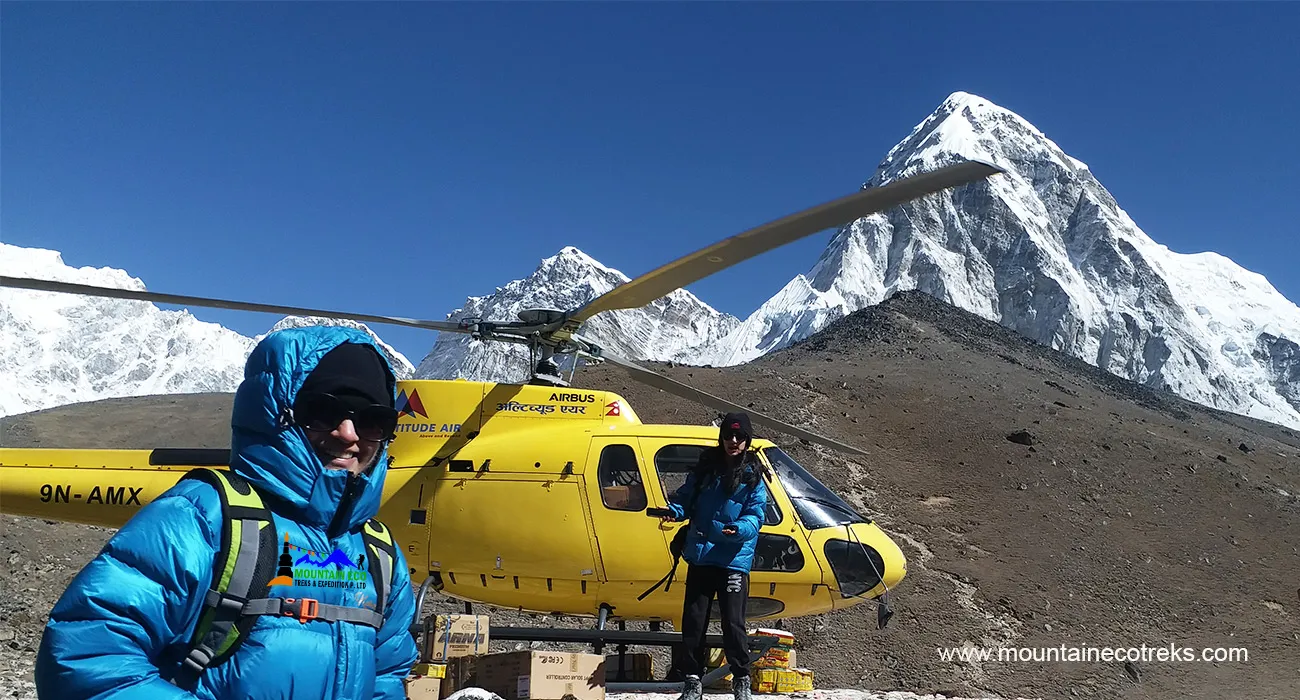
A memorable trek is often shaped by details that seem unimportant before the journey begins. The way you organize your morning, protect your belongings, choose your breaks, and prepare for changing weather can influence how comfortable each day feels.
The Everest Base Camp Trek with helicopter return brings together several days of walking, mountain scenery, village life, and a unique return journey. While the major landmarks are exciting, paying attention to smaller practical details can make the overall experience smoother.
Choose Comfort Over Appearance
Trekking is not the right time to worry about looking perfectly dressed. Your clothing and equipment should help you stay comfortable while moving through changing conditions.
Test Everything Before Departure
Wear your trekking shoes, try your layers, and carry your daypack during practice walks before the trip.
This gives you a chance to discover problems while you are still at home. A small adjustment before departure can prevent a bigger inconvenience on the trail.
Make Your Water Routine Simple
Water is one of the easiest things to forget when you become focused on scenery or conversation.
Keep Your Bottle Accessible
Do not bury your water bottle under clothing or equipment. Keep it somewhere you can reach without completely removing your bag.
A simple routine of checking your water during breaks can help you avoid discovering too late that your supply is running low.
Protect Yourself From the Sun
Cold mountain air can make the sun feel less intense than it really is. Spending hours outdoors still means your skin and eyes are exposed.
Keep Sun Protection in Your Daypack
Sunscreen, sunglasses, and a hat should be easy to reach. Reapply sunscreen as needed, particularly when spending long periods outside.
These small habits can make a noticeable difference in comfort during the Everest Base Camp Trek with helicopter return.
Keep Your Hands Ready for Temperature Changes
Mountain temperatures can shift quickly, especially when you move between sunny and shaded areas.
Carry a Light Pair of Gloves
You may not need gloves throughout the entire day, but having them available means you can respond quickly when your hands become cold.
The same idea applies to other small layers. Accessibility is often more useful than packing everything away perfectly.
Make Your Breaks Work for You
A break should help you continue comfortably rather than simply stopping the clock.
Check Your Equipment While Resting
During a short pause, look at your footwear, backpack straps, clothing, water, and personal items.
If something feels uncomfortable, fix it before continuing. A small adjustment early can prevent irritation from becoming a serious distraction later.
Carry a Few Useful Personal Items
You do not need a large collection of accessories, but some small items can be surprisingly useful.
Build a Small Personal Kit
Depending on your needs, this might include tissues, lip balm, basic personal medicines, hand sanitizer, spare socks, and a small flashlight.
Keep these items together so they are easy to find instead of scattered throughout your luggage.
Keep Your Camera Ready Without Letting It Control the Trip
The Himalayan landscape naturally encourages photography. However, spending every minute looking through a screen can make you miss what is happening around you.
Choose Your Moments
You do not need to photograph every step. Stop when a view genuinely catches your attention, take a few pictures, and then put the camera away.
This creates a better balance between documenting the Everest Base Camp Trek with helicopter return and actually experiencing it.
Use Quiet Evenings to Reset
After reaching your accommodation, take a few minutes to organize yourself before settling down.
Prepare Tomorrow’s Essentials
Set aside your clothing, check your water, charge your devices, and make sure your important items are secure.
Once these tasks are finished, you can enjoy your evening without worrying about the next morning.
Keep Your Belongings Easy to Identify
Multi-day travel means repeatedly moving your belongings between rooms and accommodations.
Use Simple Identification
A luggage tag or another easy way to recognize your bag can help prevent confusion, especially when several trekkers have similar equipment.
Keep smaller valuables in a consistent secure location so you always know where they are.
Learn to Appreciate Waiting Time
Not every part of a mountain journey moves according to a perfect schedule. You may occasionally have to wait for weather, transportation, meals, or other arrangements.
Use Delays as Breathing Space
Instead of becoming frustrated, use unexpected waiting periods to rest, talk with other travelers, review photographs, or simply observe the surroundings.
Flexibility can make the journey feel less stressful when plans change.
Ask Your Guide About the Day Ahead
A few minutes of conversation can help you understand what is coming.
Know What Kind of Trail to Expect
Ask about the approximate walking conditions, major climbs, rest opportunities, and anything unusual about the next section.
Knowing what to expect can help you organize your clothing, water, and energy before leaving.
Pay Attention to Your Sleeping Routine
Good rest becomes increasingly valuable during a multi-day trek.
Create a Calm Evening
Try to finish your packing and basic preparation before settling into bed. Keep your sleeping area comfortable and avoid unnecessary activity when you are ready to rest.
A simple nighttime routine can help you approach the next day feeling more prepared.
Prepare for the Final Change of Pace
The return portion of the Everest Base Camp Trek with helicopter return feels different because the journey switches from walking to flying.
Keep the Final Day Flexible
Have your essential belongings ready and follow the instructions provided by your trekking team. Helicopter operations can depend on mountain weather, so the exact timing may change.
The transition can be exciting because you finally get to see the landscape from a completely different perspective.
Look Back Before You Leave
When the trekking portion is finished, take a moment to think about how far you have traveled.
You may remember a difficult climb, a peaceful village, a conversation with a guide, or a mountain view that appeared unexpectedly.
Remember More Than the Destination
The most valuable memories are not always the most famous ones. Sometimes a small detail becomes the part of the journey you remember years later.
Final Thoughts: Small Choices Shape Big Adventures
The Everest Base Camp Trek with helicopter return is built from many individual moments. Comfortable equipment, accessible water, useful breaks, simple organization, and a flexible attitude can all contribute to a better experience.
You do not need to control every part of the journey. Instead, prepare for the details you can manage and stay open to the ones you cannot.
When the small practical things are handled well, you have more freedom to enjoy the mountains, meet people, appreciate local life, and remember the journey for what it truly was.
Frequently Asked Questions
What small items are useful during a mountain trek?
Sunscreen, sunglasses, gloves, lip balm, tissues, personal medicines, a flashlight, and spare socks can be useful depending on your personal needs.
Should I test my trekking shoes before the trip?
Yes. Wearing them during practice walks can help you identify fit or comfort issues before you reach the mountains.
How can I make breaks more useful?
Use short breaks to drink water, check your clothing and equipment, adjust your backpack, and prepare for the next section.
Should I take many photographs during the trek?
Photography is a personal choice, but taking selected photographs can help you preserve memories without spending the entire journey behind a screen.
Why do small details matter on the Everest Base Camp Trek with helicopter return?
Several small decisions repeated over multiple days can influence your comfort, organization, and ability to enjoy the journey.
Can the helicopter return be affected by weather?
Yes. Mountain weather can affect helicopter operations, so travelers should remain flexible and follow the guidance of their trekking team.
