
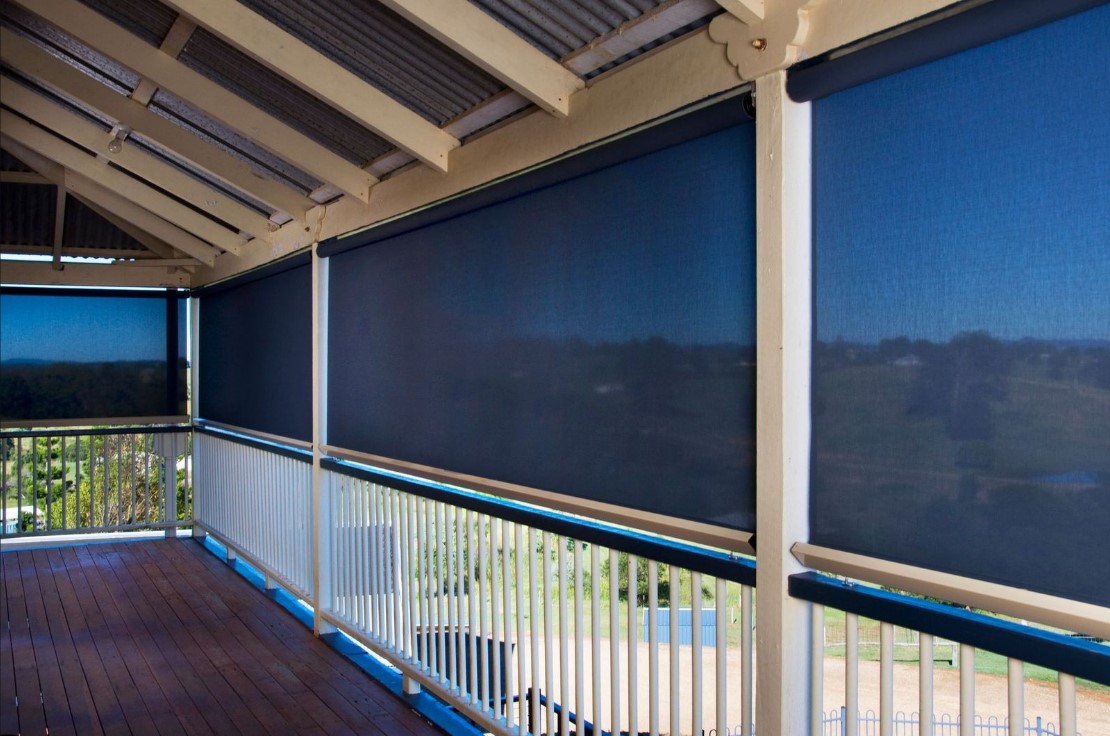
A patio can become one of the most enjoyable areas of a home when it is designed with comfort, convenience, and everyday activities in mind. Instead of treating outdoor spaces as occasional gathering spots, homeowners are increasingly transforming patios into functional extensions of their indoor living areas. Thoughtful improvements involving shade, furniture, lighting, and weather protection can make these spaces suitable for relaxation, dining, and entertainment throughout much of the year.
Creating a practical patio does not necessarily require expensive renovations or major structural changes. Small adjustments that address common outdoor challenges can significantly improve comfort while making the available space more useful.
Creating Comfortable Spaces With Outdoor Blinds
Sun exposure, wind, and limited privacy often prevent homeowners from enjoying their patios as frequently as they would like. Installing outdoor blinds can help address these challenges while maintaining the connection between indoor and outdoor environments. Depending on the material and design, these coverings can reduce glare, provide additional privacy, and offer protection against certain weather conditions.
Modern outdoor blinds are available in different fabrics, colours, and operating systems, allowing homeowners to select options that complement their property’s appearance. Some designs offer adjustable coverage, making it easier to control sunlight and airflow throughout the day.
Choosing suitable blinds can also help protect outdoor furniture from prolonged sun exposure. With better control over environmental conditions, patios become more comfortable for morning coffee, afternoon relaxation, and casual evening gatherings.
Selecting Furniture That Supports Everyday Activities
Patio furniture should offer more than visual appeal. Comfortable seating, practical tables, and durable materials are essential for creating an outdoor area that supports regular use. Furniture arrangements should reflect how homeowners intend to spend their time outside, whether enjoying family meals, reading, or entertaining visitors.
Weather-resistant materials such as aluminium, treated timber, and suitable synthetic wicker can provide durability under changing outdoor conditions. Cushions made with outdoor fabrics add comfort while helping reduce maintenance concerns.
Multifunctional furniture can be particularly valuable for smaller patios. Storage benches, folding tables, and modular seating arrangements allow homeowners to adjust their layouts without overcrowding the available space.
Improving Patio Lighting for Evening Comfort
Effective lighting can extend the usefulness of a patio beyond daylight hours. Rather than relying on a single bright fixture, combining different lighting options creates a welcoming atmosphere while improving visibility.
Wall-mounted lights, outdoor string lights, and pathway illumination can highlight important areas without overwhelming the surroundings. Warm lighting is particularly suitable for dining and relaxation, while brighter task lighting may be helpful near outdoor cooking areas.
Energy-efficient LED fixtures and solar-powered options can also reduce electricity consumption. Selecting lighting designed for outdoor conditions ensures better reliability and safety during regular use.
Introducing Greenery Without Overcrowding the Space
Plants can soften the appearance of patios while creating a stronger connection with the surrounding landscape. However, excessive greenery may reduce usable floor space and increase maintenance requirements.
Vertical gardens, hanging planters, and compact container arrangements provide opportunities to introduce natural elements without sacrificing functionality. Choosing plants suited to local sunlight and climate conditions can make ongoing care more manageable.
Strategically positioned greenery can also create natural privacy barriers and visually separate dining areas from relaxation spaces.
Designing a Patio That Remains Easy to Maintain
Practical outdoor living depends on selecting materials and features that remain manageable over time. Easy-to-clean flooring, weather-appropriate furnishings, and organised storage solutions can reduce the effort required to maintain a welcoming patio.
Proper drainage is equally important, particularly in areas experiencing seasonal rainfall. Keeping pathways clear and ensuring furniture arrangements allow comfortable movement can further improve everyday usability.
Conclusion
A successful patio transformation combines attractive design with features that solve everyday outdoor challenges. Comfortable furniture, adjustable shade, thoughtful lighting, and manageable greenery can turn an underused area into a valuable part of the home. By prioritising functionality alongside appearance, homeowners can create outdoor spaces that encourage relaxation, support daily activities, and remain enjoyable across changing seasons.
