
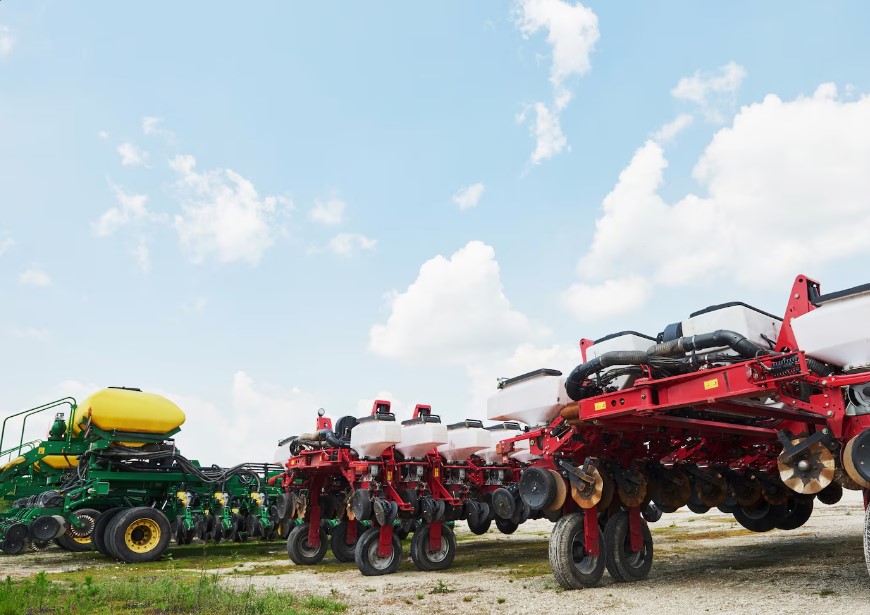
Farming is a hard job that needs meticulous preparation, steady work, and dependable equipment all year long. From preparing fields and growing crops to preserving soil health and collecting products, each season brings with it new duties. Farmers can do these tasks more quickly and with fewer unforeseen disruptions when they have reliable agricultural equipment. In addition to increasing output, the proper equipment promotes long-term agricultural success and better resource management.
When choosing gear appropriate for certain agricultural requirements, working with a knowledgeable farm and ranch equipment dealer may make a big difference. Farmers are better equipped to deal with seasonal obstacles and shifting working circumstances when they invest in high-quality equipment and maintain it effectively.
Recognizing The Equipment Requirements For Each Farming Season
Every season calls for equipment tailored for certain duties, and agricultural operations vary throughout the year. Farmers concentrate on preparing the land, planting, and creating favorable growth conditions in the spring. For these tasks to be completed precisely and effectively, tractors, cultivators, planters, and seed drills become crucial.
Crop upkeep, irrigation, fertilizer, and weed control are common summertime tasks. Irrigation systems, mowers, and sprayers all contribute to the maintenance of healthy fields while minimizing needless physical effort. Combines, grain carts, and transportation equipment become more crucial as harvest season draws near.
Winter offers a chance to check equipment, finish repairs, and get ready for future farming operations. Farmers may more efficiently plan equipment purchases, maintenance schedules, and operating budgets by being aware of these seasonal needs.
Selecting Farming Equipment To Meet Farming Needs
There is more to choosing agricultural machinery than just buying the biggest or most sophisticated pieces. When making investment selections, farmers must take into account factors such as geography, crop kinds, soil conditions, property size, and daily operating needs.
Compact tractors and adaptable accessories may provide enough power without needless costs for modest farming operations. Larger farms could need equipment with a large capacity that can cover a lot of land in a short amount of time.
Another crucial factor is equipment compatibility. Equipment that integrates well with current tractors, tools, and accessories may provide operational flexibility while lowering the need for new investments.
Agricultural operators may examine available machinery, comprehend equipment specs, and find workable solutions for their unique needs with the assistance of a reputable farm and ranch equipment dealer.
Upkeep Of Equipment For Reliable Seasonal Performance
For dependable operation, even top-notch agricultural equipment needs regular maintenance. Mechanical problems, costly repairs, and disruptions during crucial agricultural times might arise from skipping annual inspections.
For lubrication, oil changes, filter replacements, and general equipment checks, farmers should adhere to manufacturer recommendations. Examining electrical components, belts, tires, and hydraulic systems may help spot any issues before they get out of hand.
Additionally, maintenance records provide important details regarding the performance and repair history of the equipment. Farmers may more precisely plan replacement choices and discover recurring problems by recording service actions.
Preventive maintenance may be scheduled during slower agricultural times to keep equipment ready for increased seasonal workloads. This method lessens the chance of unplanned downtime and promotes equipment life.
Using Modern Technology To Increase Agricultural Productivity
Agricultural equipment has changed as a result of technological improvements, increasing the accuracy and efficiency of various farming operations. GPS navigation, automated controls, precision planting systems, and equipment monitoring capabilities are examples of modern machinery.
Farmers may use these technologies to monitor equipment performance, decrease overlapping field activities, and increase the precision of input application. Additionally, precision agricultural technologies may help make better choices about resource allocation, planting patterns, and fertilizer usage.
However, the practical needs of farming should be taken into consideration while choosing technology. The best times to invest in cutting-edge features are when they immediately benefit operations.
Developing Long-Term Connections With Reliable Equipment Providers
Reliable supplier connections are particularly important since agricultural equipment requires a significant financial investment. Access to skilled experts who comprehend equipment needs, maintenance issues, and seasonal agricultural demands is advantageous to farmers.
Replacement parts, service options, equipment demos, and advice on machinery improvements may all be obtained from a reliable farm and ranch equipment dealer. Throughout the duration of equipment ownership, these services may facilitate more seamless operations.
When agricultural companies grow, or their operational requirements change, long-term supplier ties can facilitate future investment planning.
Conclusion
Reliable equipment, careful investment choices, and regular maintenance procedures are necessary to be ready for each agricultural season. Agricultural equipment is crucial to maintaining efficient and well-organized operations from spring planting to fall harvesting.
Farmers may decrease operational difficulties and boost productivity by selecting equipment that meets their needs, using practical technologies, and maintaining solid supplier connections. In the end, effective farming operations are supported by dependable agricultural equipment, which enables agricultural companies to approach each season with more assurance and readiness.
