
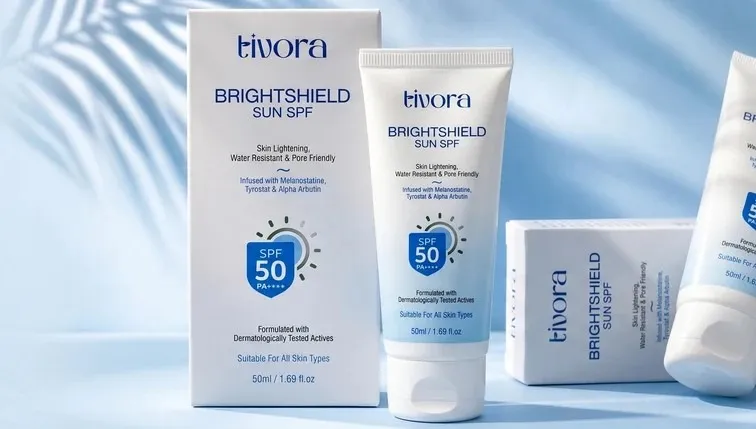
Sunlight affects the skin in different ways, and not every type of light has the same impact. UVA, UVB, and visible light are three parts of the sunlight spectrum that people should understand when building a daily skincare routine. They can contribute to different skin concerns, including sunburn, premature aging, and uneven skin tone. This is why choosing Sunscreen for hyperpigmentation involves more than looking at the SPF number on a bottle.
A basic understanding of these light types makes sunscreen labels easier to interpret. It also helps explain why sun protection matters on ordinary days, not only during summer holidays or long outdoor activities.
What Are UVA, UVB, and Visible Light?
Sunlight contains different types of radiation. Some reach the Earth’s surface and interact with the skin. UVA and UVB are types of ultraviolet radiation, while visible light is the part of sunlight that human eyes can see.
Each has different characteristics.
UVA: The Light Associated With Skin Aging
UVA rays have longer wavelengths than UVB rays. They penetrate deeper into the skin and can contribute to changes associated with premature aging.
Regular UVA exposure is linked with concerns such as:
- Fine lines and wrinkles
- Loss of skin firmness
- Uneven skin tone
- Long-term skin damage
UVA rays can reach the skin throughout the year. They can also pass through ordinary window glass to varying degrees, which makes daily protection relevant for people who spend time near windows or inside vehicles.
UVB: The Main Cause of Sunburn
UVB rays have shorter wavelengths than UVA rays. They affect the outer layers of the skin and are a major cause of sunburn.
Their intensity changes with factors such as time of day, season, altitude, and location. Strong UVB exposure can damage skin cells, so protection remains important during outdoor activities.
UVB is also involved in the body’s production of vitamin D. However, this does not mean that intentional, unprotected sun exposure is a safe way to meet vitamin D needs. Diet, supplements, and individual medical guidance may be more appropriate options.
Visible Light: More Than What Your Eyes See
Visible light is the portion of sunlight that allows people to see colors and objects. It is not ultraviolet radiation, but certain wavelengths, particularly high-energy visible light, may contribute to pigmentation in some skin types.
Visible light exposure is especially relevant when discussing dark spots and uneven skin tone. Research suggests that it can worsen pigmentation in people who are prone to these concerns.
This is one reason some skincare professionals discuss tinted sunscreens containing iron oxides when pigmentation is a major concern.
What Should You Look for in Sunscreen?
Understanding light exposure is useful, but choosing a product requires attention to its protection claims and how you will use it.
If your main concern is Sunscreen for pigmentation, consider these features before buying.
Broad-Spectrum Protection
Broad-spectrum sunscreen is designed to protect against both UVA and UVB rays. This is important because the two types contribute to different forms of skin damage.
Look for a clearly stated broad-spectrum claim rather than assuming that a high SPF number covers every type of ultraviolet radiation.
A Suitable SPF Rating
SPF primarily measures protection against UVB-related sunburn under standardized testing conditions.
SPF 30 or higher is commonly recommended for everyday use. SPF 50 can offer additional protection when applied correctly, but no sunscreen blocks all UV radiation.
The amount applied and the frequency of reapplication matter just as much as the number printed on the packaging.
PA Rating and UVA Protection
Some products display a PA rating, which indicates the level of UVA protection under the relevant testing system.
A higher PA rating generally indicates stronger UVA protection. However, rating systems can vary between markets, so it is useful to understand the labeling used in your country.
Tinted Formulas for Visible-Light Concerns
People with melasma or persistent dark spots may benefit from discussing tinted sunscreen with a dermatologist.
Iron oxides in certain tinted formulas can help provide protection against some visible wavelengths. A regular untinted sunscreen may not offer the same level of visible-light protection.
Tinted products are not automatically suitable for everyone, so texture, shade, and skin compatibility should also be considered.
How to Make Sun Protection Part of Your Daily Routine
A good sunscreen routine should be practical enough to follow consistently.
Use these habits to improve your daily protection:
- Apply sunscreen as the final step of your morning skincare routine, before makeup.
- Follow the product instructions for the correct amount and application method.
- Cover commonly missed areas such as the ears, neck, hairline, and backs of the hands.
- Reapply approximately every two hours when outdoors, and after swimming, sweating, or towel drying, according to the product directions.
- Use sunglasses, hats, and protective clothing when spending extended periods outside.
- Do not rely on sunscreen alone during intense sunlight exposure.
People looking for Sunscreen for hyperpigmentation should remember that consistency is more useful than switching products frequently. A formula that feels comfortable and suits your daily routine is more likely to be used correctly.
Common Misunderstandings About Sunlight and Sunscreen
Some common beliefs can lead to inconsistent protection.
A high SPF protects against every type of light. SPF mainly measures UVB protection. UVA protection should also be considered, while visible-light concerns may require additional product features.
Sunscreen is only necessary on sunny days. UVA exposure can occur throughout the year, including on cloudy days. Daily protection is still relevant.
Indoor spaces provide complete protection. Ordinary window glass blocks most UVB but can allow some UVA to pass through. Exposure depends on the type of glass and your position relative to the window.
One morning application lasts all day. Sunscreen protection can decrease through sweating, rubbing, water exposure, and normal daily activities. Reapplication is important when needed.
Understanding these differences makes it easier to build a routine based on actual protection needs rather than marketing claims.
Final Thoughts
UVA, UVB, and visible light affect the skin in different ways. UVA contributes to long-term skin damage, UVB is a major cause of sunburn, and visible light may worsen pigmentation in people who are prone to dark spots.
Choosing suitable Sunscreen for pigmentation means considering broad-spectrum protection, SPF, UVA coverage, and whether visible-light protection is relevant to your skin concerns.
A consistent routine, sensible sun-protection habits, and professional guidance for persistent pigmentation can make a meaningful difference. The goal is not to avoid daylight completely but to protect your skin intelligently.
