
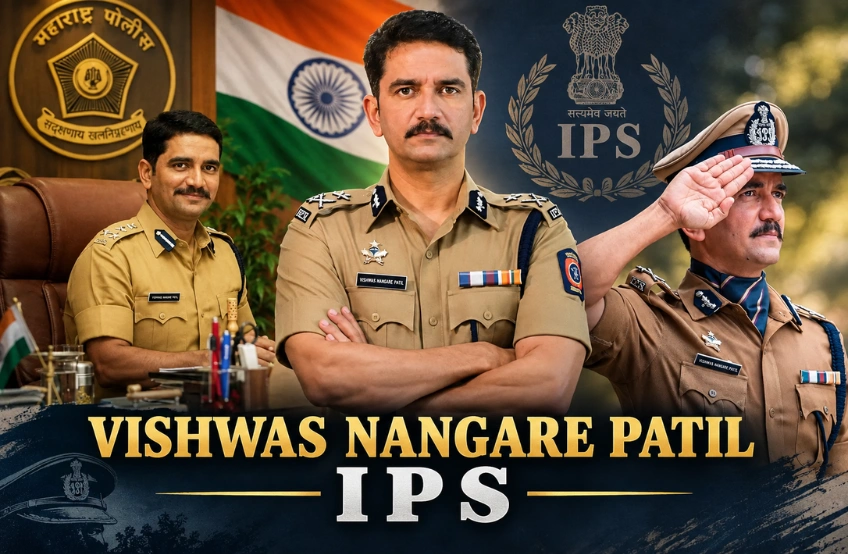
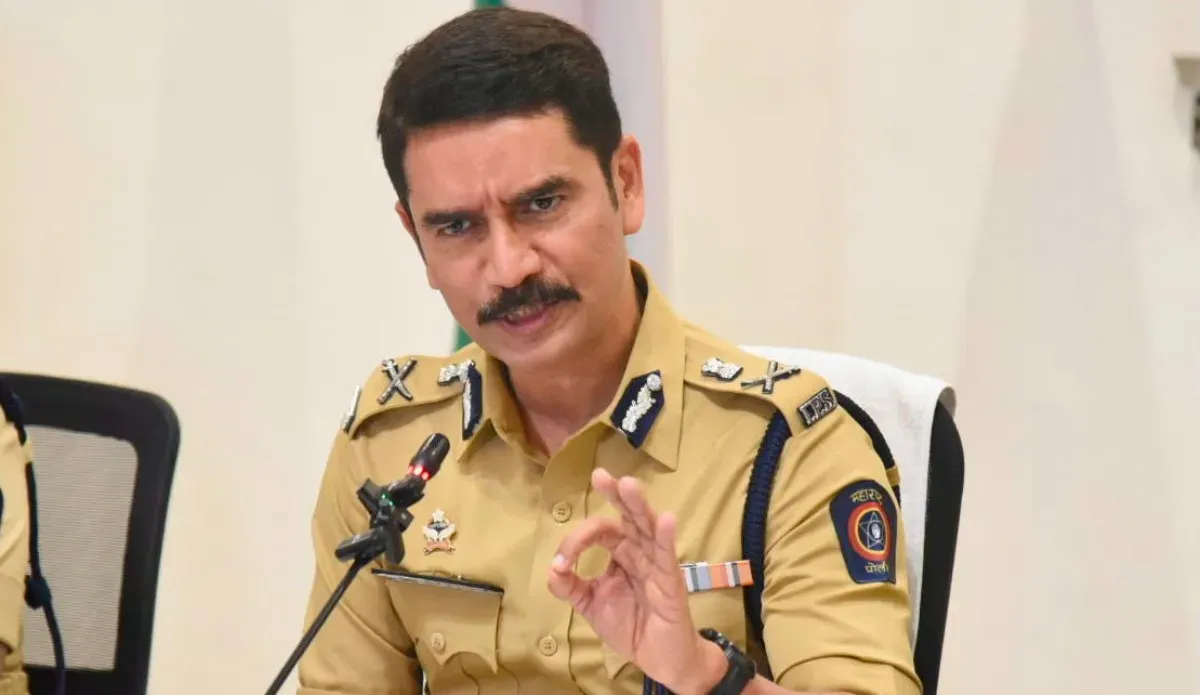
Vishwas Nangare Patil stands as one of Maharashtra’s most recognised Indian Police Service officers. Born in a small farming village, he rose through hard work, clear goals and steady courage. Many young people look up to him because his story shows that a rural background does not stop someone from reaching the top ranks of the police force.
He is best known for his brave actions during the 26/11 Mumbai terror attacks in 2008. As a young Deputy Commissioner of Police, he entered the Taj Mahal Palace Hotel under fire and helped protect people trapped inside. For that courage he later received the President’s Police Medal for Gallantry.
Today Vishwas Nangare Patil serves as the Police Commissioner of Nagpur. He is also an author whose books encourage students preparing for competitive exams. His life covers rural childhood, university education, first-attempt success in the civil services exam, long years of policing across Maharashtra, and public inspiration through writing and speeches.
Quick Information Table
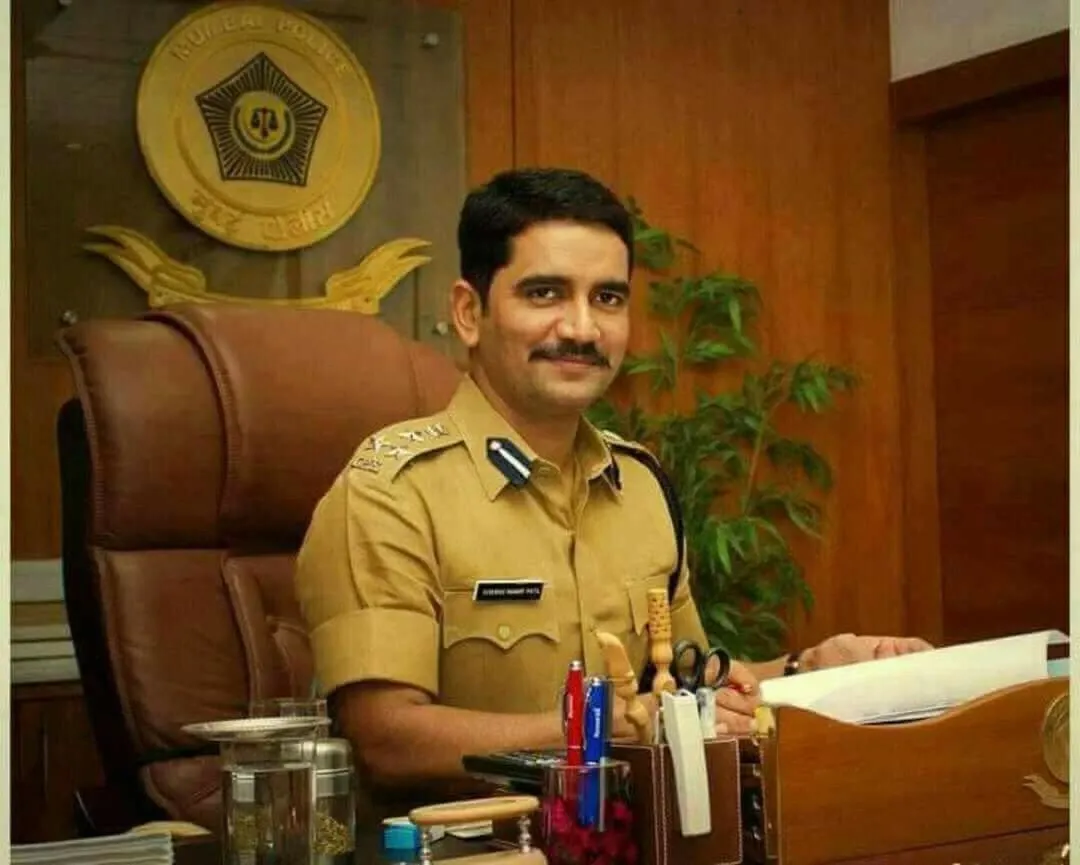
| Detail | Information |
|---|---|
| Full Name | Vishwas Narayan Nangare Patil |
| Profession | Indian Police Service (IPS) Officer, Author |
| Date of Birth | 1 June 1973 |
| Age (as of 2026) | 53 years |
| Birth Place | Kokrud village, Battis Shirala taluka, Sangli district, Maharashtra |
| Hometown | Sangli district, Maharashtra |
| Nationality | Indian |
| Religion | Hindu |
| Education | BA (History), MA, MBA, LLB |
| College/University | Shivaji University, Osmania University |
| Father’s Name | Narayan Nangare Patil |
| Mother’s Name | Not publicly detailed (homemaker) |
| Wife | Rupali Nangare Patil |
| Children | Daughter Janhavi, Son Ranveer |
Vishwas Nangare Patil was born on 1 June 1973 in Kokrud, a quiet village in Sangli district of Maharashtra. He grew up in a farming family. His father, Narayan Nangare Patil, served as the village sarpanch. The family lived a simple life with limited formal education in the older generation.
Childhood in the village taught him the value of hard work. He attended the local taluka school. In the SSC (Class 10) examination he scored 88 percent, a strong result that showed his focus from an early age.
For Class 12 he first chose the science stream. Later he shifted to arts for graduation. He completed a Bachelor of Arts degree in History from Shivaji University in Kolhapur. Reports note that he performed well and earned recognition in the subject. He went on to complete a Master’s degree and later an MBA from Osmania University. He also earned a law degree (LLB).
These qualifications helped him prepare for the Union Public Service Commission examination. He cleared the civil services exam and joined the Indian Police Service as a 1997-batch officer of the Maharashtra cadre. Several sources state he achieved an All India Rank of 302 in his first attempt around the year 2000. Exact rank details appear in secondary reports; official UPSC marksheets from that period are not freely published online.
His rural roots and self-study path remain a key part of his public message. He often tells students that coaching is not the only way and that steady effort from a small town can lead to national service.
Family Details
Vishwas Nangare Patil comes from a close-knit rural family. His father, Narayan Nangare Patil, was the sarpanch of Kokrud and supported his son’s education even though his own schooling was limited. His mother managed the household.
He is married to Rupali Nangare Patil. The couple has two children: a daughter named Janhavi and a son named Ranveer. The family has stayed largely out of the public eye while supporting his demanding police career.
Public information about other relatives is limited. Vishwas Nangare Patil has spoken of the encouragement he received at home, which helped him stay focused during long years of study and service.
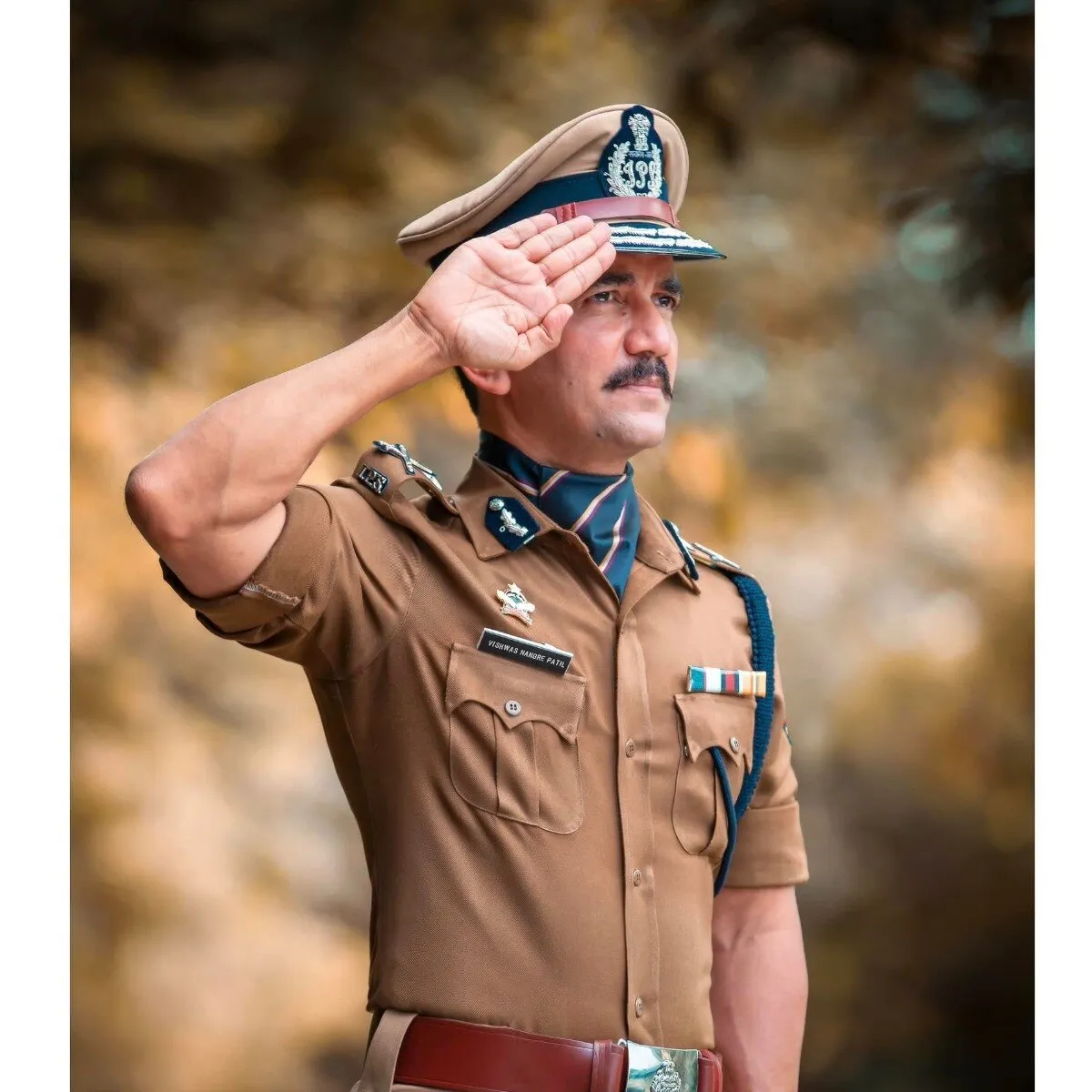
Career Journey of IPS Vishwas Nangare Patil
After training, Vishwas Nangare Patil began his career in various districts of Maharashtra. Early postings included Assistant Superintendent of Police in Dhule and Additional Superintendent of Police in Nanded. He later served as Superintendent of Police in Latur, Ahmednagar, Pune Rural and Thane Rural.
One of the defining moments of his career came on 26 November 2008. As Deputy Commissioner of Police for Zone 1 in South Mumbai, he was among the first officers to reach the Taj Mahal Palace Hotel after terrorists attacked. He entered the building under fire, armed mainly with his service pistol and without a full bulletproof vest at the start.
He engaged the attackers, helped evacuate civilians, and continued operations through the long night. One of his team members was injured. For this role he received the President’s Police Medal for Gallantry in 2015.
Later assignments included Additional Commissioner of Police in Mumbai West Region, Special Inspector General of Police for the Aurangabad Range, and Commissioner of Police for Nashik city. From 2020 to 2022 he served as Joint Commissioner of Police (Law and Order) in Mumbai. In December 2022 he was posted as Additional Director General of Police in the Anti-Corruption Bureau of Maharashtra.
In June 2026 the Maharashtra government appointed him Police Commissioner of Nagpur. He formally took charge on 29 June 2026. In his first public remarks he stressed core policing, safety of women and children, and firm action against crime while serving the public.
Key Career Postings Table
| Period / Year | Position | Location / Notes |
|---|---|---|
| Early career | ASP / Addl. SP | Dhule, Nanded |
| 2002–2004 | Superintendent of Police | Latur |
| Around 2008 | Deputy Commissioner of Police, Zone 1 | South Mumbai (26/11 operations) |
| 2010–2011 | Superintendent of Police | Thane Rural |
| 2011 onwards | Additional Commissioner of Police | Mumbai West Region |
| 2015–2016 | Special Inspector General of Police | Aurangabad Range |
| Later | Commissioner of Police | Nashik City |
| 2020–2022 | Joint Commissioner of Police (Law & Order) | Mumbai |
| Dec 2022 – June 2026 | Additional Director General of Police | Anti-Corruption Bureau, Maharashtra |
| June 2026 – present | Police Commissioner | Nagpur City |
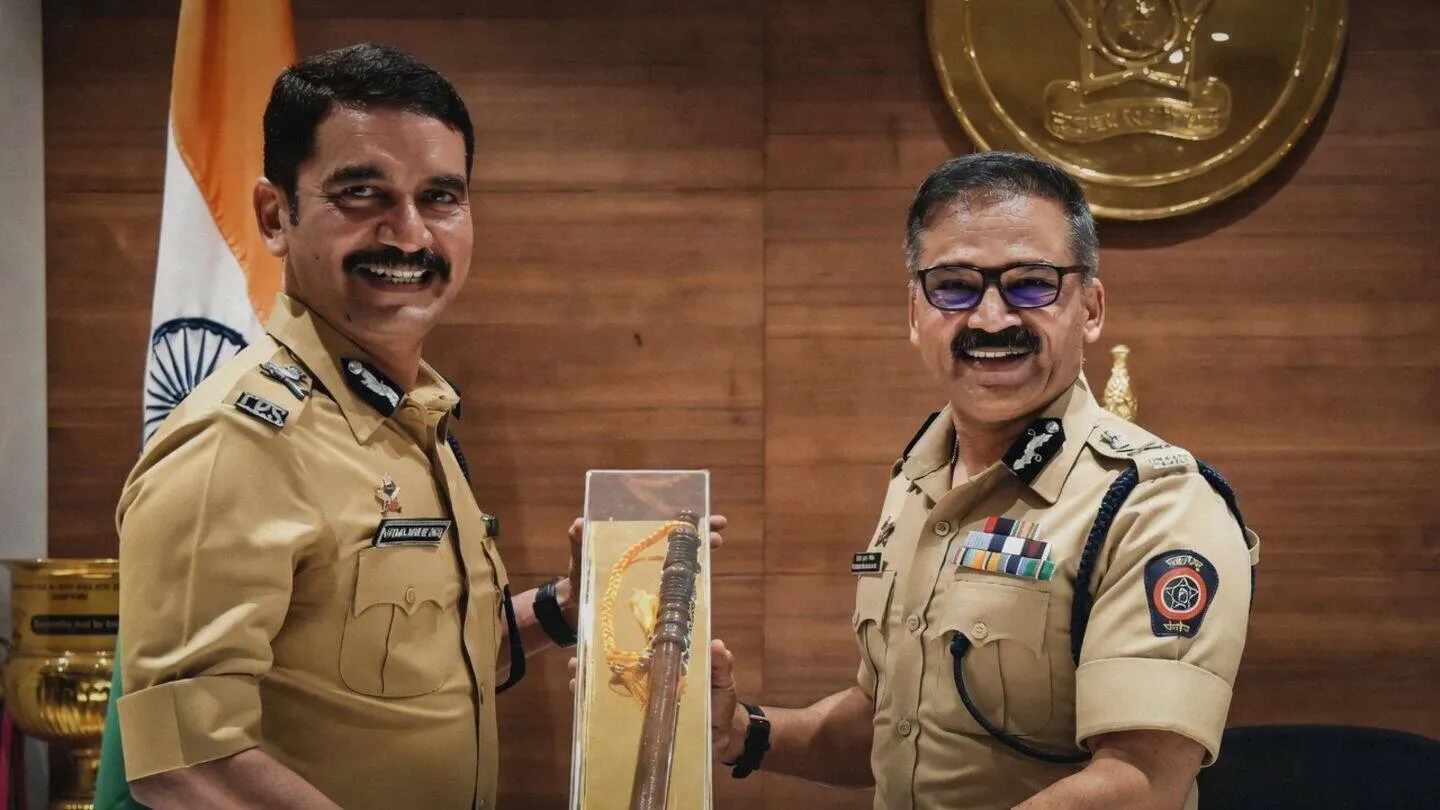
The most prominent honour is the President’s Police Medal for Gallantry, awarded in 2015 for his actions during the 2008 Mumbai attacks. Official records also list the Police Medal for Meritorious Service.
Beyond medals, Vishwas Nangare Patil has built a public profile as a motivator. He wrote the Marathi book Mann Mein Hai Vishwas, later published in English as Head Held High. The book describes his village childhood, UPSC preparation and the 26/11 night. A second book, Kar Har Maidan Fateh, continues themes of determination and service.
He regularly speaks to students and young officers. His message centres on self-belief, discipline and public duty. These efforts have made him a familiar name among civil-services aspirants across Maharashtra and beyond.
Interesting Facts about Vishwas Nangare Patil
- He scored 88 percent in the SSC examination from a rural school.
- He shifted from science in Class 12 to arts for graduation and still cleared the highly competitive UPSC exam.
- He is a 1997-batch IPS officer of the Maharashtra cadre.
- During the 26/11 attacks he entered the Taj Hotel early in the operation and engaged armed terrorists.
- His book Head Held High is a translation of the original Marathi bestseller Mann Mein Hai Vishwas.
- He has held both field and headquarters posts, from district SP to state-level ADGP and city Commissioner.
- He took charge as Nagpur Police Commissioner in June 2026.
- He often stresses that the “S” in IPS stands for service to the people.
- Public records list additional qualifications including MA, MBA and LLB.
- He maintains a relatively simple public image despite senior rank and media attention.
Conclusion
Vishwas Nangare Patil life shows how steady effort, education and courage can take a person from a small Maharashtra village to senior leadership in the Indian Police Service. From scoring high marks in a rural school to clearing the civil services exam, from facing terrorists inside the Taj Hotel to leading police forces in major cities, his path offers clear lessons.
Read More:
- Athar Aamir Khan IAS
- Vinay Tiwari IPS
- Awanish Kumar Sharan IAS
- Divya Mittal IAS
- Saloni Verma IAS
- Sanjay Prasad IAS
Frequently Asked Questions
Who is Vishwas Nangare Patil?
Vishwas Nangare Patil is a senior Indian Police Service officer of the 1997 Maharashtra cadre. He is known for his role in the 26/11 Mumbai response and currently serves as Police Commissioner of Nagpur.
What is Vishwas Nangare Patil’s age?
Born on 1 June 1973, he is 53 years old as of 2026.
What is Vishwas Nangare Patil’s current posting?
As of June 2026 he is the Police Commissioner of Nagpur City, Maharashtra.
What was Vishwas Nangare Patil’s UPSC rank?
Secondary sources report an All India Rank of 302 in his first attempt.
What is known about Vishwas Nangare Patil’s family?
He is married to Rupali Nangare Patil. They have a daughter, Janhavi, and a son, Ranveer. His father was Narayan Nangare Patil, the sarpanch of Kokrud village.
Did Vishwas Nangare Patil receive any gallantry award?
Yes. He received the President’s Police Medal for Gallantry in 2015 for his actions during the 2008 Mumbai terror attacks.
What books has Vishwas Nangare Patil written?
He authored Mann Mein Hai Vishwas (English title Head Held High) and Kar Har Maidan Fateh.
Where was Vishwas Nangare Patil born?
He was born in Kokrud village, Battis Shirala taluka, Sangli district, Maharashtra.
What is Vishwas Nangare Patil’s educational background?
He holds a BA in History from Shivaji University, further degrees including MA and MBA from Osmania University, and an LLB.
For more verified information, you can refer to this trusted external source: Founderdetail.com
